
Natural Flea & Tick Prevention for Dogs: Complete Home Guide
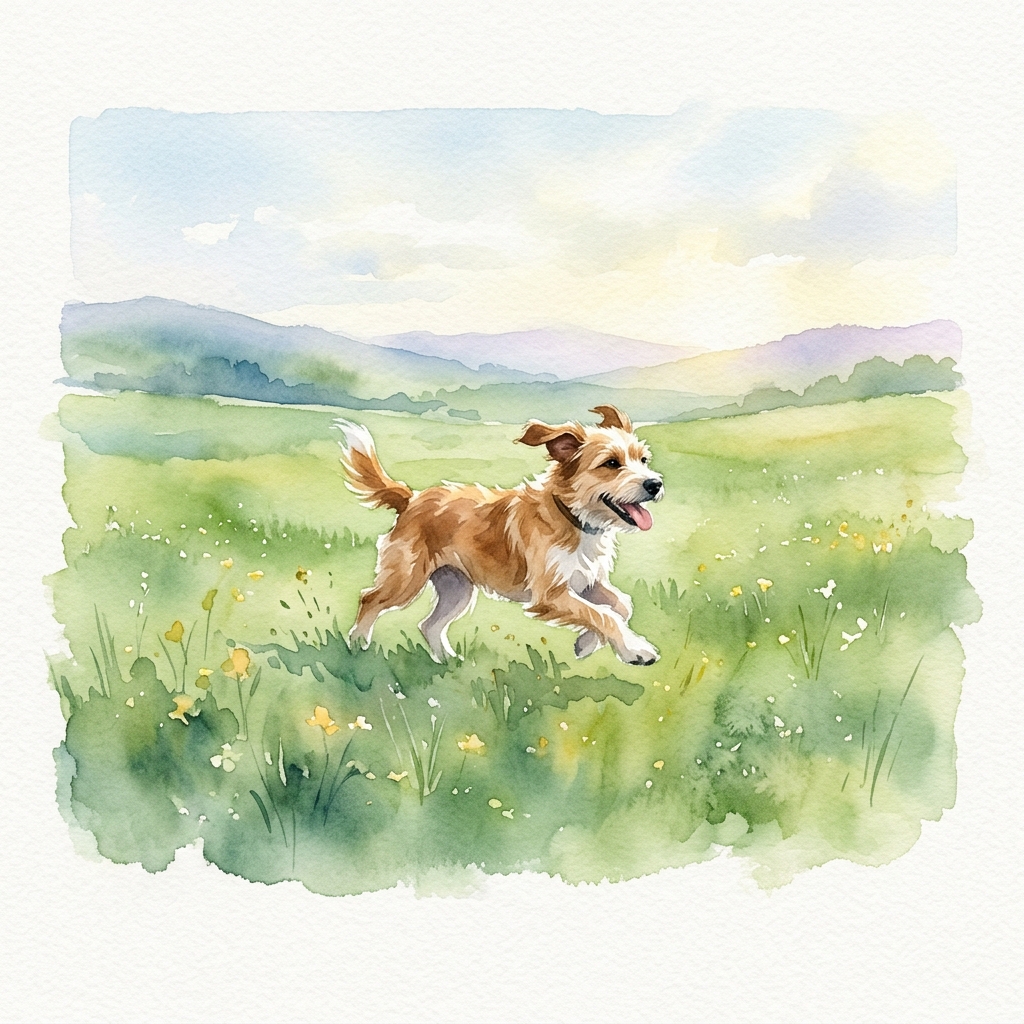
Natural Flea & Tick Prevention for Dogs: Complete Home Guide
TL;DR: Natural flea and tick prevention works best as a layered system — not a single solution. Use cedarwood and neem oil sprays on your dog, food-grade diatomaceous earth on carpets, wash bedding weekly in hot water, and vacuum daily during flea season. Consistency is everything — 95% of fleas live off your pet, so treating the environment matters more than treating the dog.

The first time I saw fleas on a dog, it was my cousin's Labrador, Rocky. Within a week, the entire house was infested. Carpet, couch, bed — everywhere. The chemical treatments worked, but Rocky developed a skin reaction. That is when we switched to a natural approach, and honestly, it worked better than we expected.
Flea and tick prevention does not have to mean harsh chemicals. With a consistent, layered natural system, you can keep your dog and home pest-free without the side effects.
Why Choose Natural Flea Prevention?
Conventional flea and tick preventatives (topical spot-ons, chewable tablets, medicated collars) are effective — but they work by disrupting the parasite's nervous system, which some pet parents prefer to avoid. Natural options are especially valuable for dogs with sensitive skin, dogs on multiple medications, puppies, seniors, or dogs with compromised immune systems.
The key insight: natural methods work best when used as a system, not a single product. No one natural remedy kills all fleas and ticks at every life stage. But a layered approach that treats the dog, home, and yard together can be highly effective.
Layer 1: On-Dog Protection
DIY Neem & Cedarwood Spray (Most Effective)
This vet-recommended spray combines ingredients proven to repel fleas, ticks, and mosquitoes. Neem oil is a natural insecticide with centuries of traditional use, while cedarwood oil is one of the most effective natural tick repellents.
Recipe:
- 1 cup witch hazel (alcohol-free)
- 2 tablespoons coconut oil (melted)
- 2 ml neem oil
- 40 drops cedarwood essential oil
- 1 tablespoon liquid castile soap
How to use: Shake well before each use. Lightly mist your dog's coat — focusing on belly, legs, base of tail, and around the collar. Avoid eyes, nose, and mouth. Use a flea comb to spread through the coat. Apply 2-3 times per week during flea season.
Coconut Oil Rub
Coconut oil contains lauric acid, which has mild insect-repelling properties. It also soothes the skin and makes the coat slippery, making it harder for fleas to latch on. Rub a small amount between your hands and massage into your dog's coat once daily.
Daily Flea Comb Check
The simplest and most underrated tool. Run a fine-toothed flea comb through your dog's coat daily during flea season, focusing on the neck, tail base, and belly. Dip the comb in soapy water after each pass to drown any fleas. This single habit catches infestations before they start.
Layer 2: Environmental Control (This Matters Most)
Here is a number that changes everything: 95% of fleas live off your pet — in carpets, bedding, furniture, and yard. Treating only your dog while ignoring the home is why most natural flea prevention fails.
Diatomaceous Earth (Food Grade)
Food-grade diatomaceous earth (DE) is a fine powder made from fossilized algae. It kills fleas by damaging their outer skeleton, causing dehydration. Multiple studies confirm its insecticidal efficacy.
How to use: Sprinkle food-grade DE on carpets, pet bedding, baseboards, and cracks. Leave for 48-72 hours, then vacuum thoroughly. Wear a mask during application — the fine dust can irritate lungs. Repeat weekly during flea season. Never use pool-grade DE (it is toxic).
Vacuum Daily
Research shows vacuuming alone can kill up to 96% of adult fleas plus many eggs and larvae. Use a HEPA-filter vacuum and empty the canister or bag outdoors immediately after each use. Focus on areas where your dog spends the most time.
Wash Bedding in Hot Water
Wash all pet bedding, blankets, and soft toys in hot water (140°F / 60°C or higher) once a week. Dry on high heat. This kills fleas, eggs, and larvae at all life stages.
Cedar Mulch in the Yard
Fleas and ticks hate cedar. Use cedar mulch in garden beds and areas where your dog spends time outdoors. It creates a natural barrier that repels pests without chemicals.
Layer 3: Oral Natural Support
Brewer's Yeast & Garlic (In Small Amounts)
These ingredients change your dog's scent slightly, making them less attractive to fleas. Mix 1/4 teaspoon garlic powder and 1/4 tablespoon brewer's yeast daily into food for a 10 lb dog. Adjust proportionally for larger dogs. Note: works in about 30% of dogs — worth trying but not a standalone solution.
Omega-3 Fatty Acids
Fish oil reduces skin inflammation and supports overall skin health. Healthier skin is more resistant to flea bites and irritation. See our supplement guides for dosing.
Tick-Specific Prevention
Ticks are harder to repel than fleas and carry more serious diseases (Lyme, Ehrlichiosis, Anaplasmosis). In addition to the cedarwood spray above:
- Check your dog thoroughly after every walk in wooded or grassy areas — run your fingers through the coat feeling for small bumps. Ticks love warm, hidden areas: between toes, inside ears, armpits, groin, and around the tail.
- Remove ticks immediately with fine-tipped tweezers. Grasp as close to the skin as possible and pull straight upward with steady pressure. Do not twist or jerk — this can leave mouth parts embedded.
- Avoid tall grass and leaf piles during peak tick season (spring and fall).
Weekly Prevention Schedule
- Daily: Flea comb check after walks. Wipe down with a damp cloth. Apply cedar spray if going to high-risk areas.
- Weekly: Wash all bedding in hot water. Vacuum entire house thoroughly (empty outdoors). Apply diatomaceous earth to carpets.
- Bi-weekly: Reapply neem/cedarwood spray to dog's coat. Mow lawn short. Check yard for standing water (mosquito breeding).
- Monthly: Deep clean — steam carpets, wash curtains, treat yard with beneficial nematodes (natural flea predators).
Frequently Asked Questions
Can natural flea prevention replace chemical treatments entirely?
For dogs in low-risk areas or with mild flea pressure, yes. For dogs in areas with high tick populations, natural methods work best as a complementary layer alongside conventional prevention. Always discuss with your vet, especially for tick-borne disease risk.
Is diatomaceous earth safe for dogs to inhale?
Food-grade DE is safe for dogs but the fine dust can irritate lungs if inhaled in large amounts. Wear a mask when applying. Keep your dog out of the room during application and vacuum thoroughly before letting them back in.
How often should I apply natural flea spray?
Every 2-3 days during active flea season. Natural sprays do not have the residual persistence of chemical treatments, so reapplication is essential. Increase frequency after rain or swimming.
Can I use essential oils directly on my dog's skin?
No — essential oils must be diluted in a carrier oil (coconut, jojoba) or witch hazel. Undiluted essential oils can cause skin irritation, digestive upset, or neurological symptoms. Neem and cedarwood at proper dilution (1-2%) are safe for dogs when used appropriately.
What is the single most effective natural flea killer?
Vacuuming. Daily vacuuming with a HEPA filter kills up to 96% of adult fleas plus eggs and larvae. It costs nothing, has zero side effects, and works faster than any spray or powder. If you do only one thing for flea prevention, make it daily vacuuming.
Conclusion
Natural flea and tick prevention is not about finding one magic product — it is about building a consistent system. Treat your dog with cedarwood and neem sprays, treat your home with diatomaceous earth and daily vacuuming, and check your dog daily with a flea comb. Do all three consistently, and you will rarely need chemical treatments.
Start today: vacuum your whole house, wash your dog's bedding in hot water, and make a batch of the neem-cedarwood spray. Consistency is the only secret.
📚 Also Read:
- Natural Allergy Relief for Dogs: Itchy Skin & Seasonal Allergies Guide
- Natural Remedies for Dog Ear Infections: Complete Home Care Guide
- Turmeric for Dogs: Benefits, Dosage & Safety Guide
⚠️ Medical Disclaimer: This information is for educational purposes only and is not a substitute for professional veterinary advice. Always consult your veterinarian before starting any new prevention regimen, especially if your dog is a puppy, senior, pregnant, or has existing health conditions.
Disclosure: Some links on this page are affiliate links. We may earn a small commission at no extra cost to you if you make a purchase through these links.
Join the conversation