
Shatavari Benefits for Women: The Ayurvedic Herb for Hormonal Balance
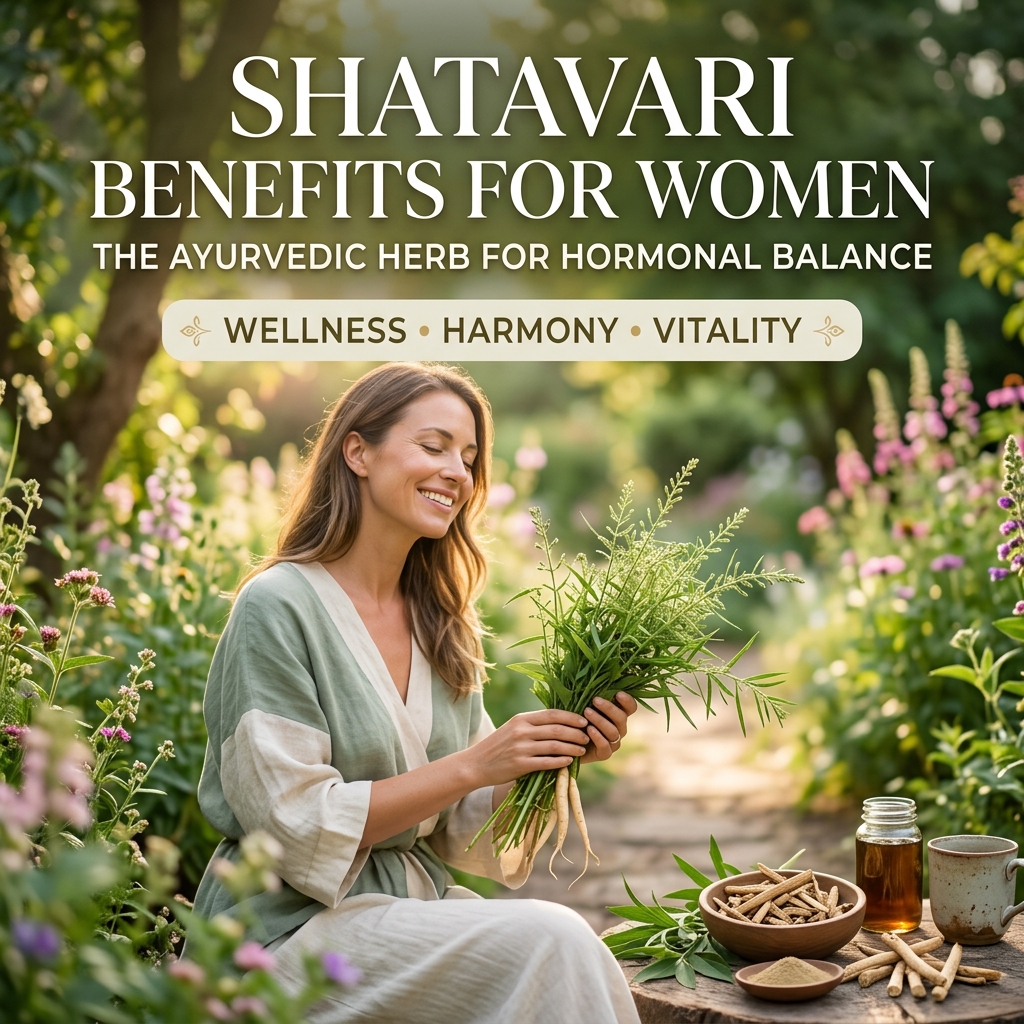
What Is Shatavari?
Shatavari (Asparagus racemosus) is one of the most important herbs for women's health in Ayurveda. Its name translates to "she who possesses a hundred husbands" — a reference to its traditional use as a fertility and vitality tonic for women.
In Ayurvedic medicine, Shatavari is classified as a Rasayana (rejuvenating tonic) and is specifically known as a Vayasthapana — an herb that may help slow aging and promotes longevity. It is cooling, nourishing, and deeply rejuvenating for the female reproductive system.
Key Benefits of Shatavari
1. Hormonal Balance
Shatavari is best known for its ability to support healthy hormone levels throughout a woman's life. It contains phytoestrogens — plant compounds that gently modulate estrogen activity in the body. This makes it particularly useful for:
- Menstrual irregularities — supporting regular cycles
- PMS symptoms — reducing mood swings, cramping, and bloating
- Perimenopause and menopause — easing hot flashes, night sweats, and mood changes
- Postpartum support — helping the body recover after childbirth
2. Fertility Support
Shatavari has been used for centuries to support female fertility. It nourishes the reproductive tissues (known in Ayurveda as Shukra Dhatu), supports healthy ovulation, and prepares the uterus for conception. It is also traditionally used to support healthy lactation in nursing mothers.
3. Digestive Health
Despite being primarily known as a women's health herb, Shatavari is also one of the best digestive tonics in Ayurveda. It is cooling and soothing to the digestive tract, making it ideal for:
- Acidity and heartburn
- Inflammatory bowel conditions
- Peptic ulcers
- General digestive discomfort
4. Immune System Support
Shatavari contains immunomodulatory compounds that help strengthen the immune system. It is particularly valued in Ayurvedic protocols for convalescence and recovery after illness.
5. Stress and Adrenal Support
As an adaptogen, Shatavari helps the body cope with stress. It supports adrenal function and helps reduce the negative effects of chronic stress on the body — including hormonal disruption.
6. Skin Health
The cooling, nourishing qualities of Shatavari benefit the skin by reducing inflammation, promoting hydration, and supporting a healthy complexion. It is particularly beneficial for Pitta-type skin conditions like inflammatory acne or rosacea.
How to Take Shatavari
Forms and Dosage
- Powder: 1/2 to 1 teaspoon twice daily with warm milk or water
- Capsules: 500–1000 mg twice daily
- Liquid extract (tincture): 30–60 drops twice daily
- Shatavari milk: Traditional Ayurvedic preparation — boil 1 teaspoon powder in 1 cup milk with a pinch of cardamom
Best Time to Take
- Morning: With breakfast for daily hormonal support
- Evening: With warm milk before bed for deep nourishment
- Duration: Traditionally taken in 2–3 month cycles with a 2-week break
Ayurvedic Protocol for Different Stages
- For menstrual support: Take daily, except during active menstruation (Ayurveda traditionally avoids during bleeding)
- For fertility: Start at least 3 months before attempting conception
- During pregnancy: Only under professional guidance — typically avoided in first trimester
- For postpartum: Excellent for recovery and lactation support
- For menopause: Can be taken long-term with periodic breaks
Safety and Precautions
- Pregnancy: Avoid in first trimester; consult practitioner in second and third trimesters
- Estrogen-sensitive conditions: If you have a history of estrogen-positive cancers, consult your doctor before use
- Excess Kapha: Shatavari is heavy and cooling — if you have low digestion or tendency toward congestion, use with ginger or honey
The Bottom Line
Shatavari is a profound Ayurvedic herb for women's health that offers comprehensive support for hormonal balance, fertility, digestion, and vitality. Its cooling, nourishing nature makes it particularly suitable for the fast-paced, stress-filled modern lifestyle that so often disrupts female hormonal health.
Disclaimer: This article is for informational purposes only. Always consult with a qualified healthcare practitioner before starting any new herbal supplement.
Join the conversation