
Ayurveda for Dogs: A Complete Beginner's Guide to Holistic Pet Care
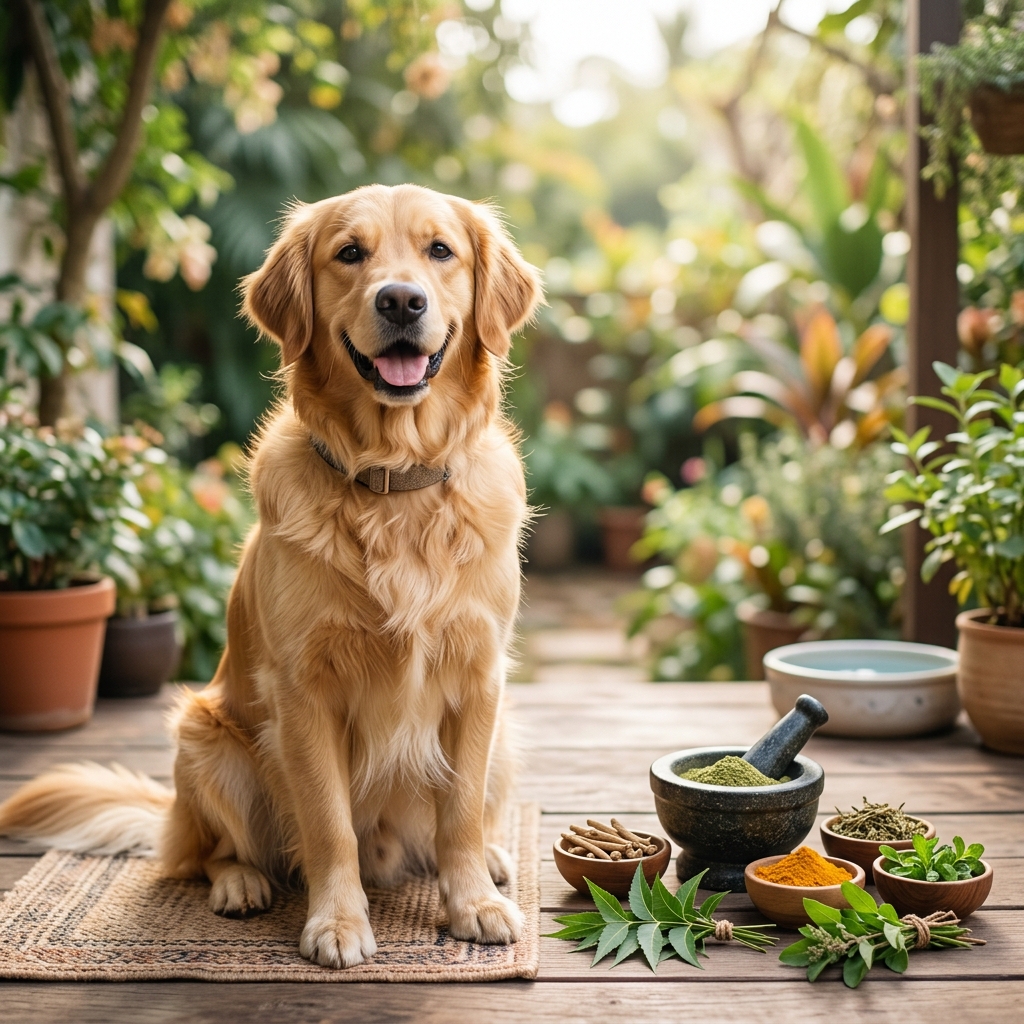
What Is Ayurveda for Dogs?
Ayurveda, the 5,000-year-old system of natural healing from India, is not just for humans. The principles of Ayurveda — balancing the body, mind, and spirit through diet, herbs, and lifestyle — apply beautifully to our canine companions as well.
Ayurveda for dogs is a growing field that adapts ancient wisdom to modern pet care. It focuses on understanding your dog's unique constitution (prakriti), identifying imbalances, and using natural remedies to restore health and vitality.
This beginner's guide will walk you through the fundamentals so you can start applying Ayurvedic principles to support your dog's wellness naturally.
The Three Doshas in Dogs
According to Ayurveda, every living being is made up of three doshas — bio-energetic forces that govern physical and mental characteristics:
Vata Dosha (Air + Space)
Vata-dominant dogs tend to be:
- Thin, light-bodied, and agile
- Active, restless, and energetic
- Prone to anxiety, dry skin, and digestive issues
- Irregular eating and sleeping patterns
- Breeds: Greyhounds, Whippets, Dalmatians, Jack Russell Terriers
Balance with: Warm, moist, grounding foods; routine and consistency; gentle exercise; calming herbs like ashwagandha.
Pitta Dosha (Fire + Water)
Pitta-dominant dogs tend to be:
- Medium build with strong muscles
- Intelligent, focused, and sometimes intense
- Prone to skin rashes, hot spots, inflammatory conditions
- Strong appetite and digestion
- Breeds: German Shepherds, Dobermans, Rottweilers, Boxers
Balance with: Cooling foods (coconut, cucumber), calming activities, anti-inflammatory herbs (turmeric, brahmi), avoiding excessive heat and sun.
Kapha Dosha (Earth + Water)
Kapha-dominant dogs tend to be:
- Heavy, sturdy build with thick coats
- Calm, patient, and affectionate
- Prone to obesity, lethargy, respiratory issues
- Slow digestion and tendency to gain weight easily
- Breeds: Labradors, Bulldogs, Basset Hounds, Shih Tzus
Balance with: Light, warm, dry foods; regular vigorous exercise; stimulating herbs like triphala; avoiding heavy, oily foods.
Ayurvedic Diet for Dogs
In Ayurveda, food is medicine. Here are basic dietary guidelines for each dosha:
- Vata-balancing foods: Warm cooked meals, bone broth, sweet potatoes, carrots, ghee, well-cooked grains (rice, oats)
- Pitta-balancing foods: Cooling vegetables (cucumber, zucchini), coconut oil, leafy greens, sweet fruits, turkey or chicken
- Kapha-balancing foods: Lean proteins (fish, chicken), steamed vegetables, barley, lentils, minimal fats
Herbal Remedies in Ayurvedic Pet Care
Key Ayurvedic Herbs for Dogs
- Ashwagandha: Stress relief, joint health, immune support
- Turmeric: Anti-inflammatory, joint health, antioxidants
- Triphala: Digestive health, gentle detoxification
- Brahmi (Gotu Kola): Cognitive function, calming for anxious dogs
- Ghee (Clarified Butter): Supports digestion, skin health, coat shine
- Neem: Skin health, flea and tick repellent (topical use)
Daily Ayurvedic Routine for Your Dog
- Morning walk: Gentle exercise before meals aids digestion
- Warm meal: Serve food at room temperature or slightly warmed
- Regular mealtimes: Consistency supports strong digestion
- Massage: Daily gentle massage (abhyanga) with coconut or sesame oil supports circulation and bonding
- Evening calm: Quiet time before bed supports restful sleep
Signs of Dosha Imbalance in Dogs
- Vata imbalance: Anxiety, constipation, dry skin, weight loss, restlessness
- Pitta imbalance: Skin rashes, hot spots, excessive panting, irritability
- Kapha imbalance: Lethargy, weight gain, congestion, sluggish digestion
If you notice these signs, consider adjusting diet, routine, and adding appropriate herbs to restore balance.
Getting Started with Ayurveda for Your Dog
- Observe your dog's physical traits and behaviors to identify their dominant dosha
- Start with diet adjustments — introduce warm, species-appropriate foods
- Add one herbal supplement at a time (start with turmeric or ashwagandha)
- Maintain a consistent daily routine
- Consult a holistic veterinarian or Ayurvedic practitioner familiar with animals
The Bottom Line
Ayurveda offers a gentle, natural approach to supporting your dog's health that complements modern veterinary care. By understanding your dog's unique constitution and making small adjustments to diet, lifestyle, and herbal support, you can help your canine companion live a longer, healthier, and happier life.
Start simple, observe closely, and let your dog's response guide you.
Disclaimer: This article is for informational purposes only. Always consult with a qualified veterinarian before making changes to your pet's health regimen.
Join the conversation